For most Australian households, water heating is the second-largest energy expense after heating and cooling — typically around a quarter of the power bill. If you're still running a conventional electric or gas system, there's a good chance you're paying far more than you need to.
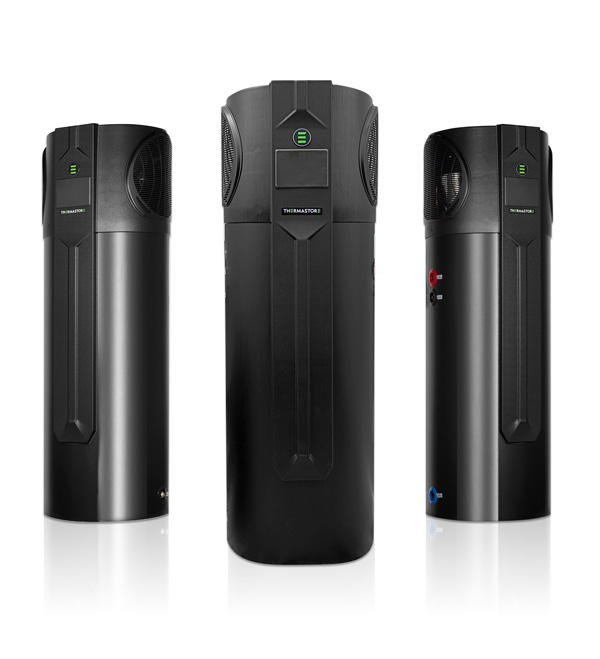
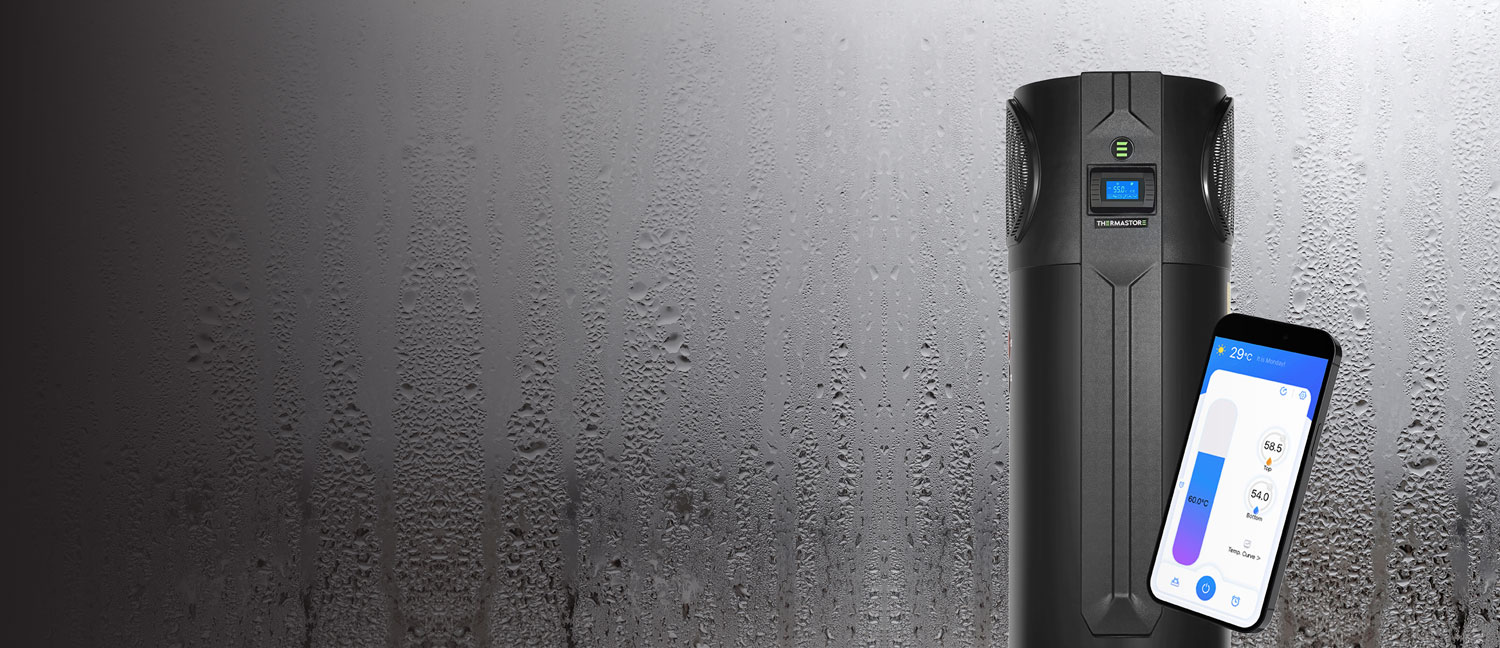
Heat-pump hot water systems like the HeatWave270 work differently, and that difference is where the savings come from. Here's how it works, what the numbers look like, and how to tell if it's right for your home.
Why a heat pump is so much cheaper to run
A conventional electric system uses energy to generate heat directly — every unit of electricity becomes roughly one unit of heat. A heat pump doesn't generate heat; it moves it, drawing warmth from the surrounding air and concentrating it into your water tank.
Because it's transferring heat rather than creating it, a quality heat pump delivers around three to four units of heat for every unit of electricity it draws. That's the entire reason running costs drop by up to 75%.
What the savings actually look like
For a typical four-person household replacing an old electric storage system, the difference adds up quickly:
- Lower daily running cost — often 65–75% less than conventional electric.
- Government rebates — federal STCs plus state schemes can cover a large share of the upfront cost.
- Off-peak & solar friendly — schedule heating for when power is cheapest or your panels are producing.
Is your home a good fit?
Heat pumps suit the vast majority of Australian homes. They perform best with reasonable airflow around the unit and a mild-to-warm climate — which covers most of the country. For colder regions, models with a smart electric boost (like the HeatWave270) maintain performance through winter.
Three quick checks
- Is there an outdoor or well-ventilated spot for the unit?
- Roughly how many people are in the household? (This sets the tank size.)
- Do you have solar, or are you on a time-of-use tariff?
The bottom line
Switching to a heat pump is one of the few home upgrades that pays for itself through lower bills while also cutting emissions. With rebates factored in, the payback period is shorter than most people expect.
Want to know what it'd cost — and save — for your specific home? Our team will size it up and give you a clear quote, no pressure.